
Clean hands, better health
Good health starts with clean hands. We touch many surfaces every day, so germs spread easily. Regular hand hygiene helps protect your family and community.
When should you wash your hands?
Hand washing should be part of your daily routine, especially during key moments.
Wash your hands:
- Before eating
- Before preparing food
- After using the washroom
- After coming home from outside
- After coughing, sneezing, or blowing your nose
- Before caring for children or elderly family members
- After touching pets
Soap and water should be your first choice
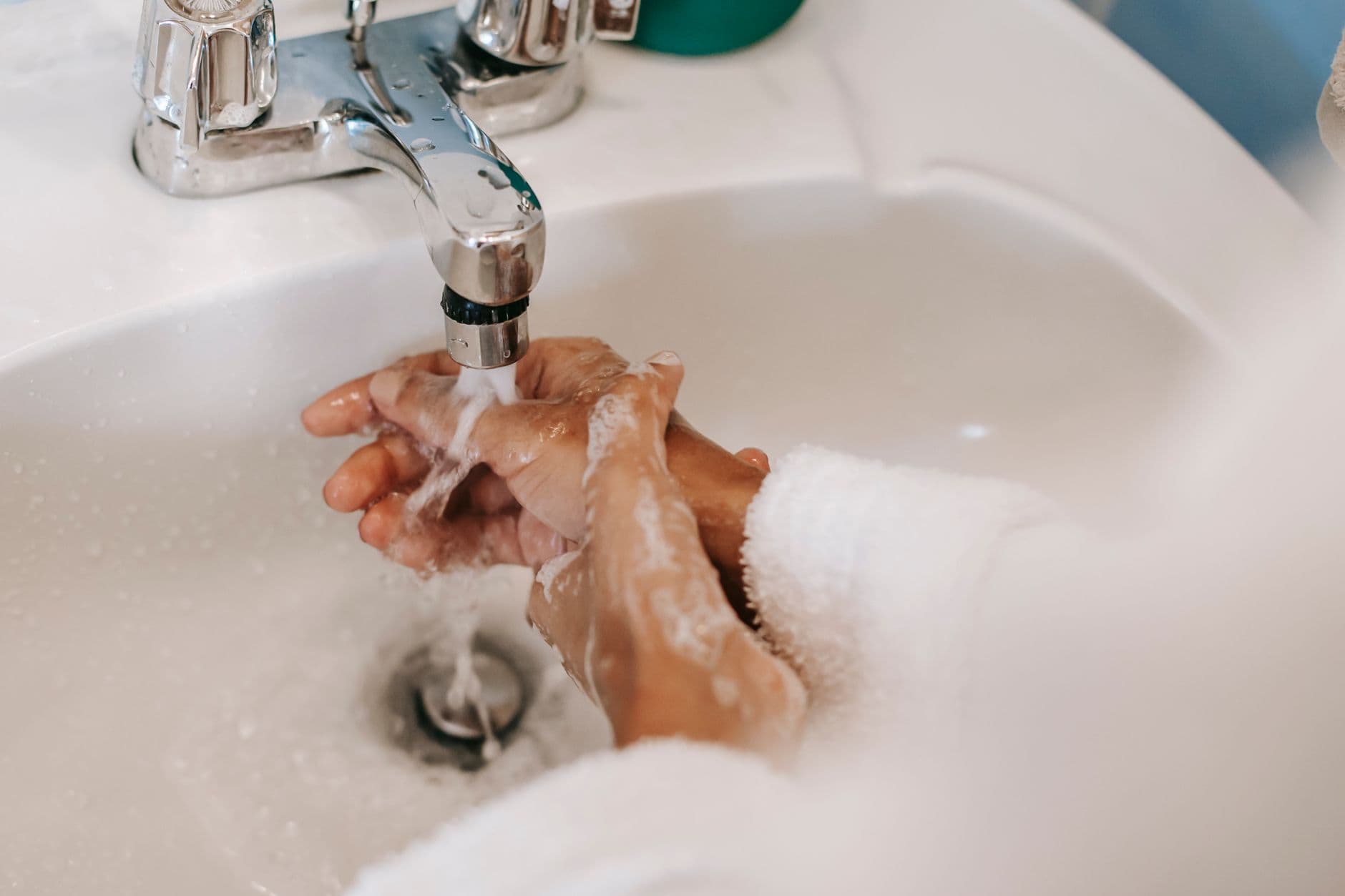
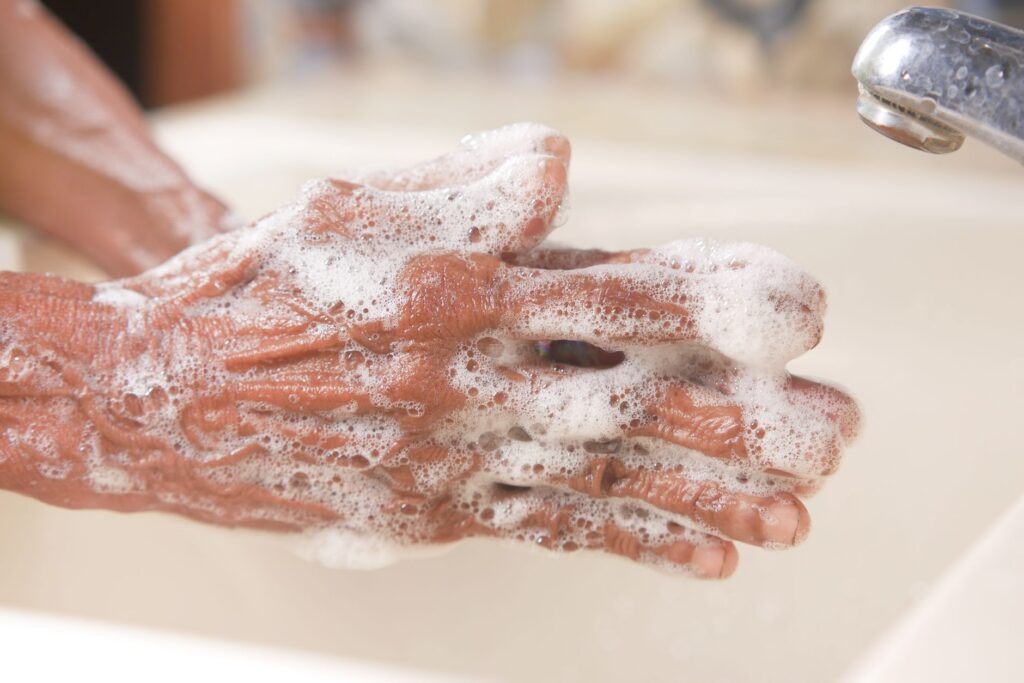
Washing hands with soap and clean water helps remove dirt, sweat, and germs from the skin. Rub your hands properly, including the palms, fingers, nails, and the back of your hands.
A good hand-washing routine should take around 20 seconds.
Make sure to dry your hands after washing, because damp hands can collect germs more easily.
When soap and water are not available
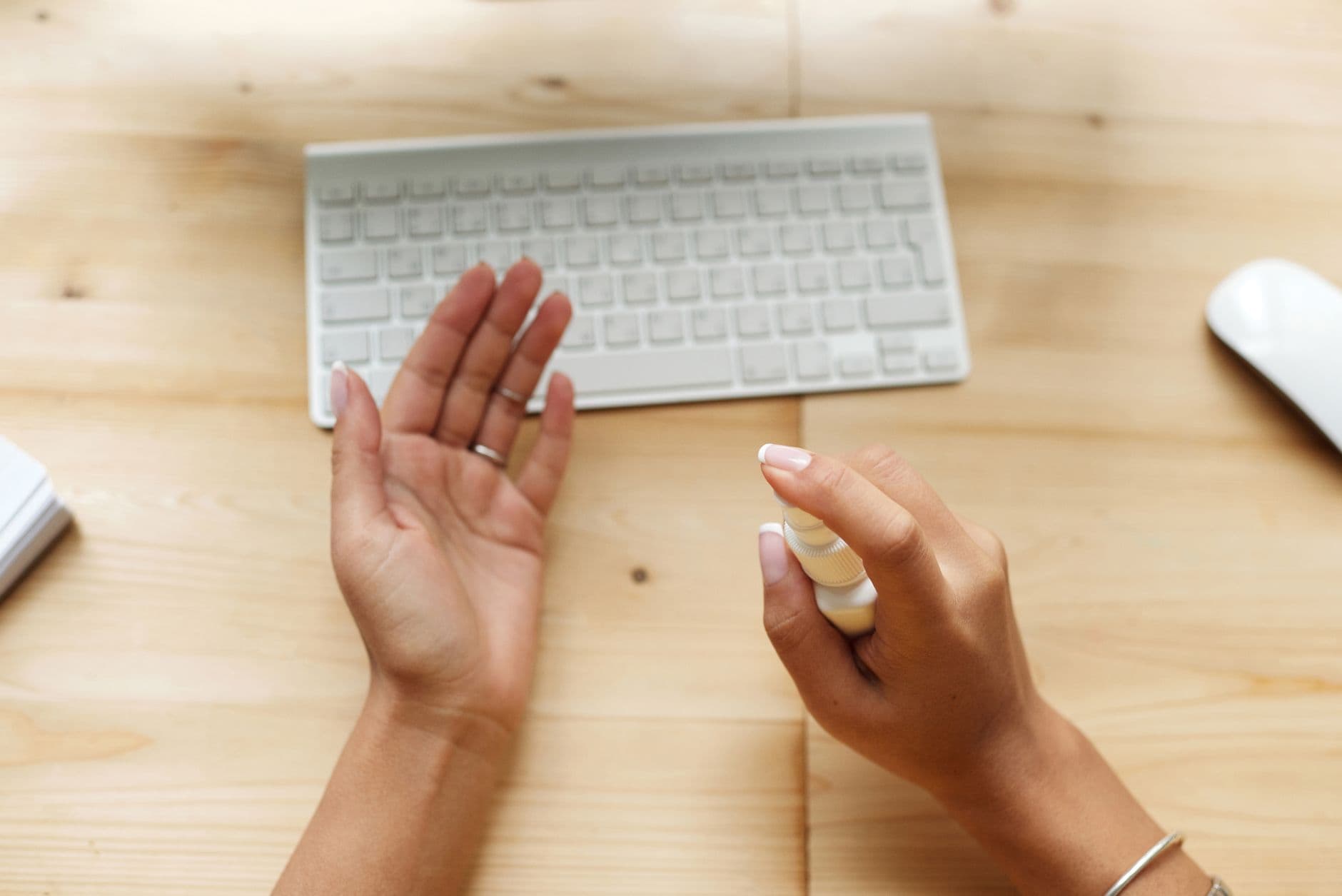
When you are outside, travelling, at school, or in the office, soap and water may not always be available. In those moments, hand sanitizer can be a helpful hygiene support.
However, sanitizer should not fully replace hand washing when your hands are visibly dirty, oily, or greasy.
Quick hygiene checklist
Hand washing should be part of your daily routine, especially during key moments.
Wash your hands:
- Wash hands before meals
- Clean hands after coming home
- Use sanitizer when soap is not available
- Teach children hand hygiene early
- Clean frequently touched surfaces
- Keep hygiene products easy to access